Who I am
A builder with a writer's mind.
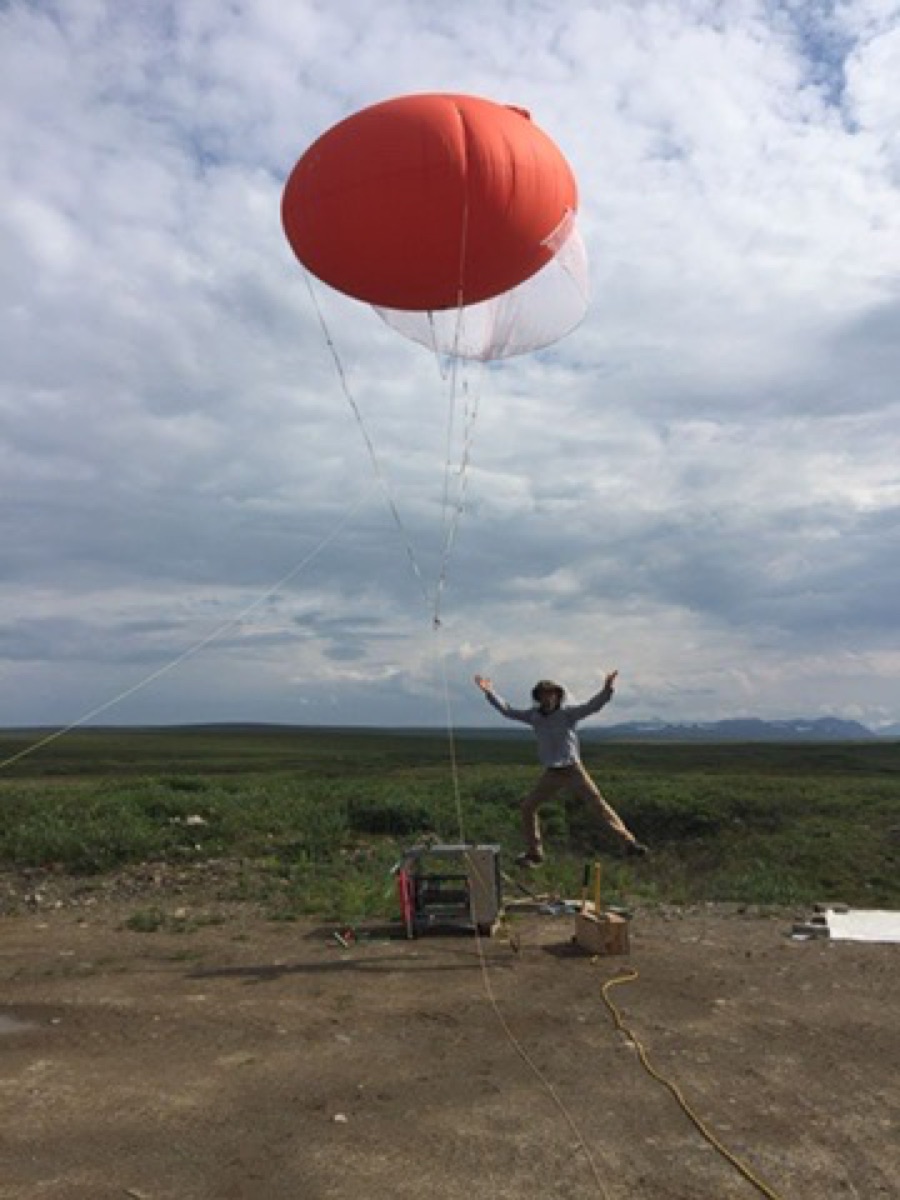
I started in science at CU Boulder — a neuroscience lab, then Arctic atmospheric research with a co-authored paper in Biogeosciences. From there I spent years as the person who makes complex systems make sense: technical writer at Google, digital product manager, then technical writer at Microsoft on HoloLens, Mixed Reality, and Mesh.
In late 2024 I stopped documenting other people's systems and joined QuarterSection as its fourth partner and CTO. What I do best is listen: to mineral owners, landmen and operators, to what frustrates them and what the market is missing. Then I turn that into product and ship all of it, end to end: the data pipelines and matching engine, the SQL estate, the APIs and frontend, the cloud, the automations that run the company, and admin of every system it runs on. I keep it lean, trading bloat for affordable automation, so a statewide platform runs on a startup budget.
I think in systems, I document like it's a love language, and I'd rather build the thing than buy it.

Founder mode — est. 2024
Flagship build
QuarterSection
Oklahoma mineral rights intelligence — deep data, made human.
Hundreds of thousands of people own the oil and gas underneath Oklahoma — and most of them can't see what's happening down there. The data exists, but it's scattered across slow government databases and written in century-old legal jargon.
QuarterSection pulls it into one place: your wells on a map, your production history, your paperwork — clean, fast, and priced for a person instead of a corporation. It competes on depth with platforms built by entire engineering departments, at a fraction of their price.
Listen first, then ship everything. My partners bring deep industry experience, the legal side and the relationships. I spend my time with the people we serve, find what slows them down, and turn it into product: data engineering, matching, backend, frontend, DevOps, security, design, and the automations behind the business. Every line of code and every system it runs on.
- A fleet of nightly scrapers and ETL pipelines that crawl state and county records with zero human in the loop
- A proprietary matching engine that ties the state's production records to physical wells the government never gave a shared ID, rebuilt and tuned again and again: location-consistent matches went from 59% to 91%
- Automation that runs the business: monthly state data downloads, alert emails, a nightly scoreboard, CRM hand-offs to reps and drafted marketing, with no one pressing a button
- An AI document pipeline that reads scanned legal PDFs and extracts the facts
- A ~100-table Azure SQL estate that rebuilds itself nightly with zero downtime
- Data-quality systems that auto-flag impossible values before users ever see them
- An interactive well map that draws each well's real drilled path — bottom-hole trajectories reconstructed from OCR'd survey documents, not just surface dots
- A grounded, cited AI assistant (the Learn Assistant) that answers mineral-rights questions from a vetted corpus with sources — and declines rather than guess
- One-click portfolio exports to multi-tab Excel workbooks, generated in the background
74M+ · production records, 1990 → today
35 years of state production, cleaned and searchable
- Every monthly production report the Oklahoma Tax Commission has published since 1990, joined to the wells and sections people actually search by.
- About 74.4 million rows as of November 2026. A new month arrives on the 11th; the download is automated, and each load is staged, checked and swapped in without downtime.
- Rebuilt the production table from 494 million bloated rows (about 99 GB, left by failed bulk loads) down to the clean 79 million that were real (about 25 GB), then de-duplicated further.
Source: QuarterSection data documentation and changelog (Dec 2025, Nov 2026).
450K+ · wells tracked by location
Every well the state knows about, tied to its production
- 456,308 distinct wells in the Oklahoma Corporation Commission's own well list, recounted against the database in August 2026.
- The state keeps production and wells in separate systems with no shared ID. I designed the matching engine that connects them, weighing several independent signals and cross-checking each match against location.
- Rebuilt it again and again: location-consistent matches rose from 59% to 91%, and an automated correction step was validated at 98.5% precision against a co-founder's manual review.
Source: QuarterSection data-stats record (Aug 2026) and matching-engine review (Jul 2026).
77/77 · counties — full statewide coverage
Statewide, with the gaps named
- Wells, production, permits, completions and Corporation Commission dockets cover all 77 Oklahoma counties.
- County deed and lease search covers 67 counties. The other 10 aren't on the county-records provider yet, and the app says so instead of returning an empty result.
Source: QuarterSection data sources and county-records coverage notes (2026).
1M+ · records refreshed every day, automated
The state's data, refreshed before anyone's awake
- Every morning at 5:15 AM Central, scheduled jobs reload the Corporation Commission's well, permit, completion, operator and transfer files: about 1.08 million rows, staged and swapped in so the app never shows a half-loaded table.
- Every night, Corporation Commission dockets update automatically: 20K+ cases, 37K+ orders and 281K+ filings so far.
- Each month, the new production report downloads on its own. Nightly jobs then rebuild the well master (about 437K rows) and the section search cache, and alert emails go out by 8 AM.
- Most of the daily volume is refresh, not new records. The genuinely new items each day are dozens of permits and completions and a few hundred transfers, and those are the ones that trigger alerts.
Source: QuarterSection data sources, schema snapshot (Nov 10, 2026) and scheduled-job definitions.
120× · search speedup — 30s+ → 253ms
From 30 seconds to a quarter of a second, then making it hold
- August 2025: section search was joining millions of production rows on every request and took 30+ seconds. I replaced that with a pre-computed well summary and covering indexes: 253 ms, about 120× faster. A single well's history went from 4.7 s to 372 ms.
- November 2025 to February 2026: rebuilt search around a statewide section cache with stored procedures, compressed indexes and a nightly refresh. The busiest section answers in 313 ms, and refreshing one section went from a 60-second timeout to under a second.
- Making it hold took the most work: removing duplicate rows, recovering a 494-million-row table, reconciling the bulk rebuild with the per-section one after they drifted, and hardening the nightly job.
- Since May 2026 the same search runs on the matching engine that ties production to wells, still being tuned in November 2026.
Source: QuarterSection changelog v1.8.0 (Aug 2025) through v1.0.x (Feb 2026) and later releases.
$200 · a month, vs ~$1,500+ for enterprise platforms
Statewide depth, priced for a person
- Enterprise oil & gas data platforms run about $1,500+ a month. QuarterSection is $200 a month for the first 50 subscribers, locked for life, then $500.
- Compared with the closest Oklahoma-focused tool (about $220 a month), it adds portfolio tracking, county deed records, lease and respondent search, email alerts and a document library.
- Against the enterprise platforms we're close and still building: revenue tracking, valuation and richer map layers are on the way.
- Lean by design: reading scanned legal documents with AI went from about $0.30 to $0.05 a document, and 1,843 pooling-order PDFs were processed for about $80, where data vendors charge tens of thousands a year for comparable data.
Source: QuarterSection pricing (Aug 2026), competitive analysis (Apr 2026; competitor prices are public estimates) and document-pipeline changelog.
Every layer, end to end, on a startup budget. Competing with billion-dollar incumbents on data depth, and beating them on clarity and price.
More builds
Products and client work shipped alongside the flagship, plus what I'm building now. Same playbook, different domains.
Grounded Agents
Retrieval-grounded chat, five domains. A gallery of AI agents that answer only from real sourced material — U.S. immigration & border law, fitness, health, oil & gas, and injury rehab — citing every claim and declining when the sources don't cover the question. One Cloudflare Worker over 60,000+ sourced passages, with password- and quiz-based access control and per-user rate limits.
Open the galleryThe Stack Map
The AI tools landscape, mapped. An interactive library of 156+ tools and 31 real workflows — not just what each tool does, but how they connect in practice. Includes a stack-builder quiz that recommends tools for how you actually work.
Explore the mapOutdoor Hub
Every condition, one dashboard. Real-time weather, snow, trail, water, and road data unified from NOAA, USGS, state DOTs, and avalanche centers — 11+ activity dashboards across the American West, so you check one site instead of six agencies.
Check conditionsWorkout Coach
A coach that reads my Strava, computes real training load, and rewrites my week every morning — evidence-graded rules make every decision; the AI only writes the words. Push + email check-ins, a live calendar feed, adaptive plans, and a chat coach with code-enforced safety rails.
Meet the coachRecipe Matrix
Turn any recipe into a cooking matrix — ingredients down the side, technique across the top — so you see what gets combined and when instead of scanning a wall of prose. Paste it, drop a link, or photograph a cookbook page; you get the matrix, a shopping list grouped by aisle, and a shareable link.
Cook somethingdügood
Main-street AI modernization. Ongoing consulting for a Seattle junk removal & donation pickup company — including a real-time Google Reviews engine I built for their Squarespace site, streaming a live 5.0★ rating across 150+ reviews straight onto the page.
See it liveNoggit
AI that trains your mind instead of replacing it. Save anything worth keeping, from podcasts, books and your AI chats; Noggit turns it into a few fact-checked questions and asks right before you'd forget. Spaced repetition, a few seconds a day, no streaks or exams.
Join the waitlistUncharted
A long-term research programme I'm building out: finding the questions that deserve years of attention, and doing the work on them.
In progressCockpit
A cockpit for agentic engineering. It brings Claude Code and GitHub together with the systems and patterns anyone building this way needs, so everything in flight is in one place to see and steer.
In progressI do this for other businesses too.
QuarterSection taught me how to be a company's entire product and engineering org in one person. dügood proved the same playbook works for main-street businesses: a modern web presence, automated workflows, and AI where it actually earns its keep. If your business runs on software from 2012, I can fix that.
The path here
Science first, then explaining complex systems at Microsoft and Google, then building them. Open any role for what shipped.
Co-founder & CTO · QuarterSection
Co-founder of an investor-backed data platform for Oklahoma mineral-rights owners and oil & gas professionals. I turn what owners, landmen and operators tell us into product, and I have shipped every technical piece of the business end to end.
What shipped
- Translate industry problems into product: from customer conversations and demos to shipped features, like production history for wells customers saw as empty, county-records search that works the way landmen search, and drilled paths for horizontal wells the state's feeds leave blank.
- Designed a proprietary matching engine that ties the state's production records to physical wells, which the state never links with a shared ID, and kept rebuilding it: location-consistent matches rose from 59% to 91%, with an automated correction step validated at 98.5% precision.
- Built and run the data platform: nightly scrapers and ETL over state regulatory, production and county records into a ~100-table Azure SQL estate that rebuilds itself every night with zero downtime. 74M+ production records, 450K+ wells, all 77 counties, 1M+ records refreshed automatically every day.
- Automated the business, not just the product: monthly state data downloads, account alert emails, a nightly scoreboard, CRM workflows that hand every new lead to a rep, attribution tracking and drafted weekly marketing, with no one pressing a button.
- Kept it lean: affordable automation and pay-as-you-go cloud in place of enterprise tools and bloat. AI document reading went from about $0.30 to $0.05 a document, and a statewide platform sells at $200 a month where enterprise data platforms charge about $1,500+.
- Went past the brief: a cited AI assistant that declines rather than guesses, well paths reconstructed from OCR'd survey documents, data-quality checks that catch impossible values before users do, and search 120× faster (30+ s to 253 ms).
- Administer every system the company runs on (cloud, domains, identity, payments, CRM, email, analytics, knowledge base) and set up how it operates: planning rhythm, sales playbooks, pricing and billing, and a security readiness program. Helped pitch investors and handled the follow-up.
Technical Writer II · Microsoft
Mixed Reality Content & Learning: HoloLens, Mixed Reality and Microsoft Mesh, from end-user guides to developer and API reference docs.
What shipped
- Led content architecture and writing for Microsoft Mesh end to end, for developers, IT admins, end users and business decision makers.
- Owned Mesh content on Microsoft Learn (~10K visitors a month) and Microsoft Support (~140K page views a month), and helped take Mesh to market; my product feedback reached into UI, app and feature reviews.
- Managed the Windows Mixed Reality docs and published Learn modules; built internal tooling on Power Platform and Azure DevOps.
Digital Product Manager · The Privacy Co.
Owned the in-app content for Priiv, a privacy and security app, and used content architecture to drive conversions.
What shipped
- Worked with the CEO on growth strategy, with guidance that met people at their own skill level so they could lock down every app and device.
Content Manager · Publist
Built the startup's brand identity and online presence.
What shipped
- Created multimedia content and promotion strategies, supported online communities and tracked impact across the business.
Technical Writer Intern · Google
Google Cloud Identity Platform.
What shipped
- Wrote new quickstarts and onboarding documentation for Identity Platform.
- Added functionality to internal bash tooling used by thousands of Googlers.
Co-founder & Head Writer · FutureScope
A daily newsletter translating emerging tech, from machine learning to biotech to blockchain, for a general audience.
What shipped
- Wrote 3,000+ articles, six a day at peak, and grew from writing intern to partner in under a year; hired and trained writing interns and worked with international partners.
Research Assistant · CU Boulder · INSTAAR & Saddoris Lab
Neuroscience of learning and addiction at the Saddoris Lab, then atmospheric field research above the Arctic Circle with the Institute of Arctic and Alpine Research.
What shipped
- Research assistant and computer science specialist at Toolik Field Station, Alaska (summer 2018); co-author on the resulting paper in Biogeosciences (2020).
Shipping log
Nearly everything I build lives in private repos, so my public GitHub looks quiet. This is the real cadence: every commit, pull request and review across all of them, refreshed from GitHub every night.
contributions in the last 12 months, 100% of them in private repos. 4,423 so far in 2026, against 1,017 in all of 2025.
That's more than every one of 2,248 randomly sampled GitHub accounts (how I checked, Nov 2026).
* 2026 so far.
- TypeScript 37%
- JavaScript 37%
- TSQL 11%
- Python 11%
- Shell 2%
- Svelte 1%
Share of code across the 56 repos I own, 24 of them private. Notebooks and markup left out.
Writing
Writing is how I think. Long-form pieces on AI-assisted engineering, agents, and what building alone actually teaches you.
The Operating System Around AI Coding
16 months of Cursor workflow patterns that actually stuck.
Agentic Observability: The Answer
What it takes to actually see what your AI agents are doing.
Vibe Coding Lessons with Cursor
Lessons from vibe coding at scale with a burgeoning codebase.
Lab
Small experiments, each one started by a question I couldn't stop poking at. Interactive toys, data digs, the occasional strange idea.
Off the clock
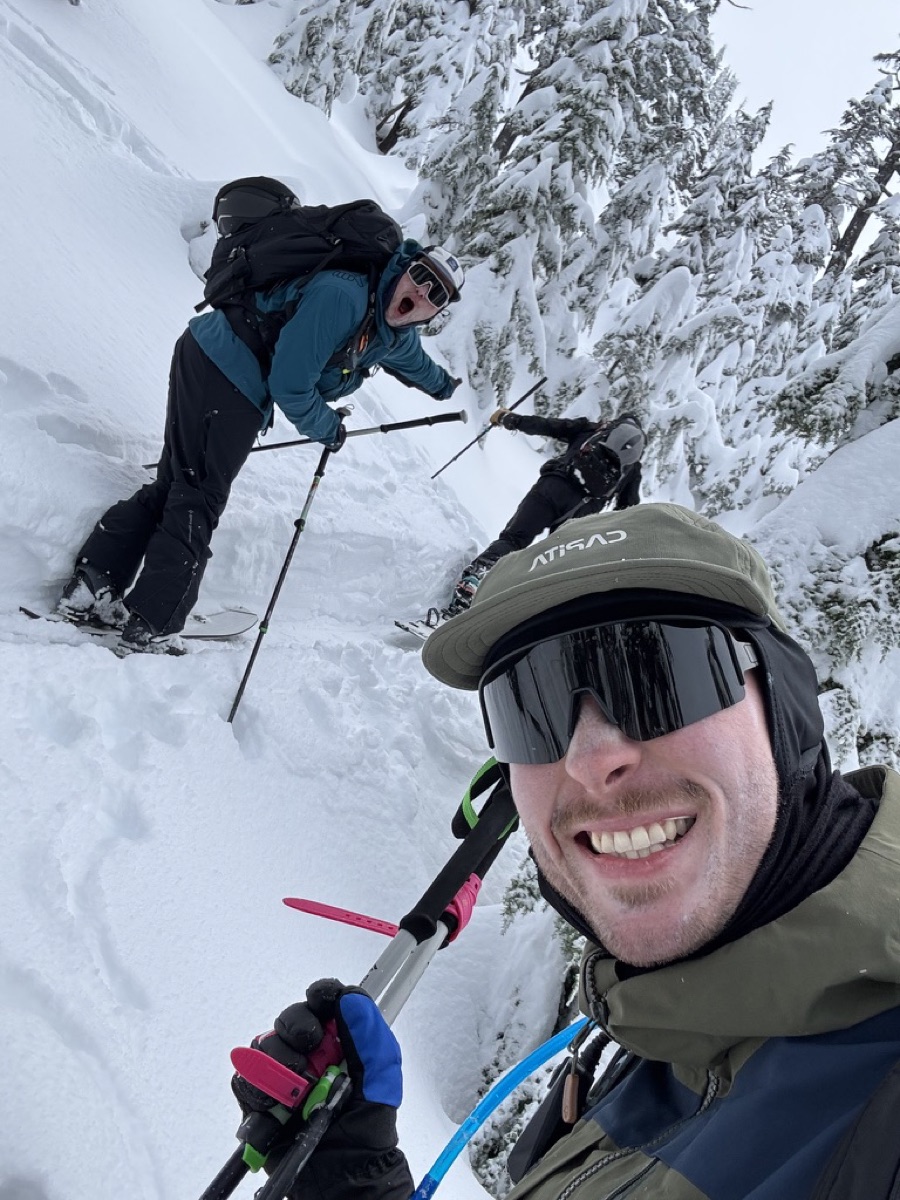
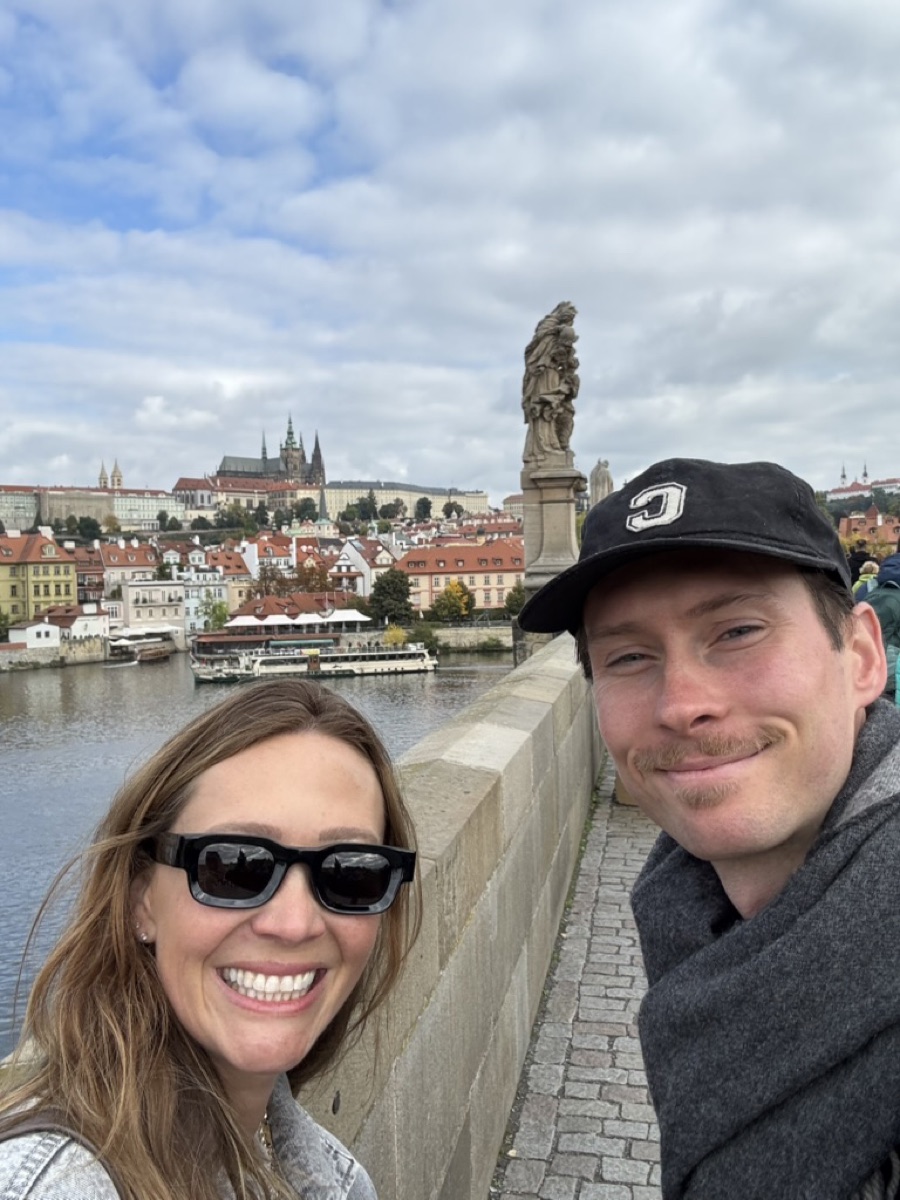
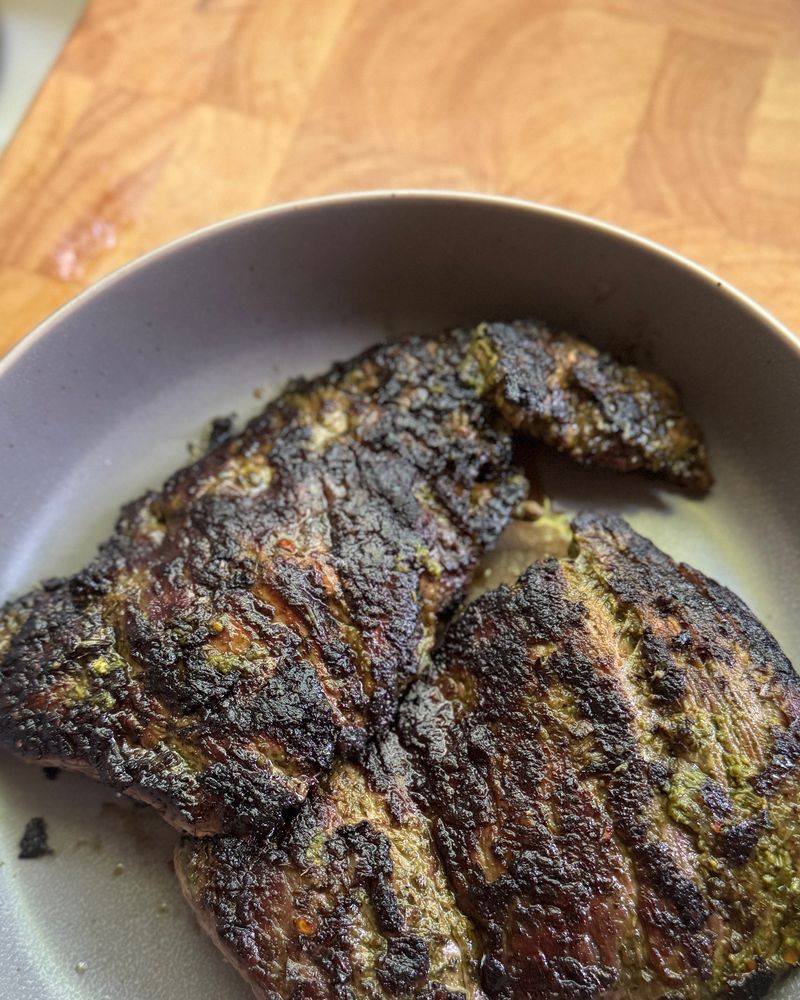
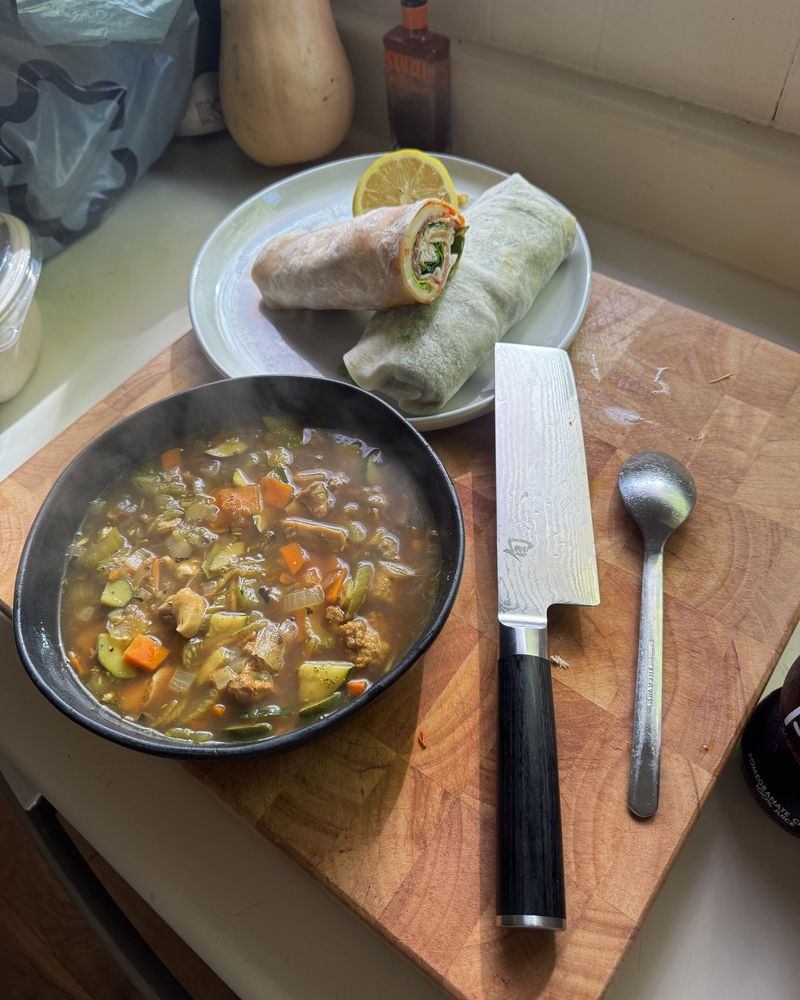
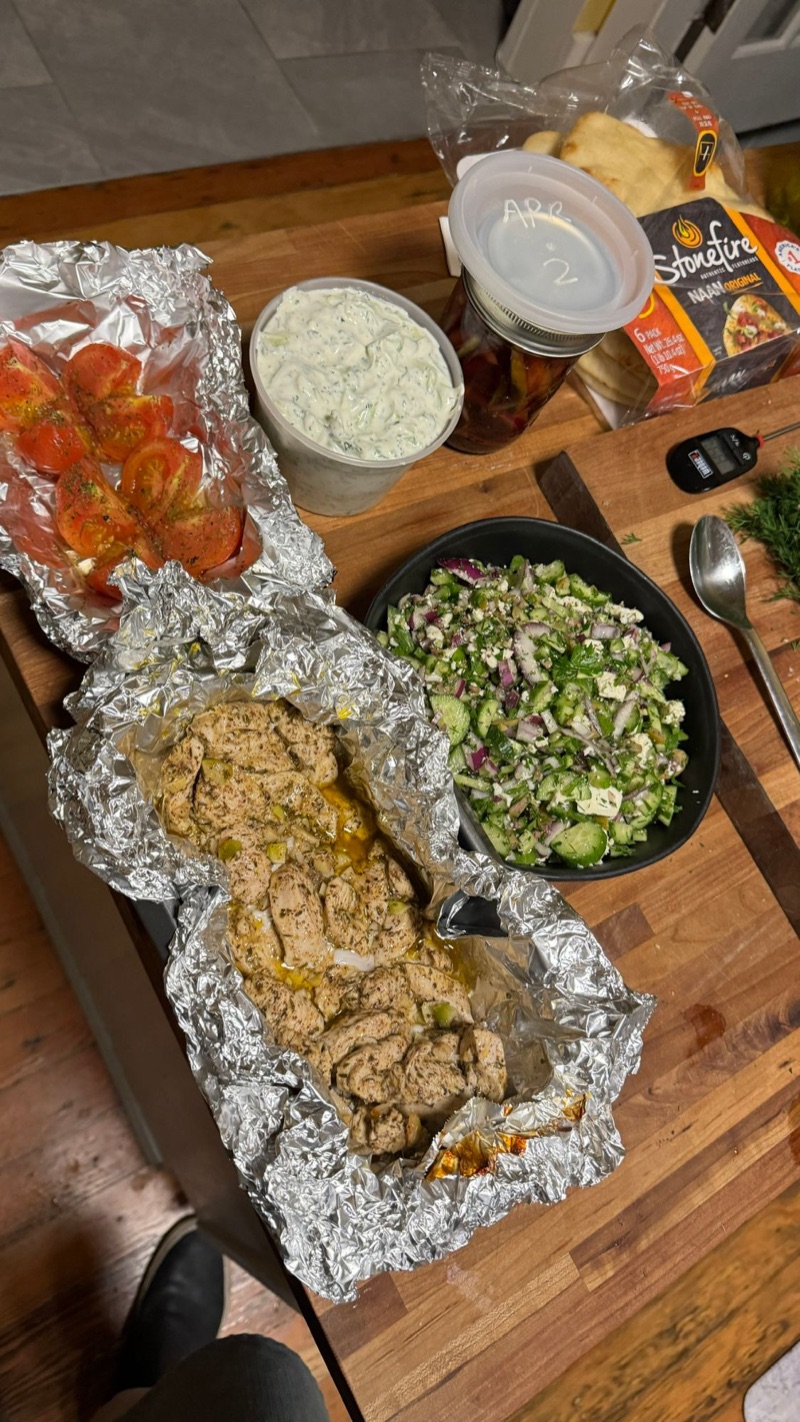
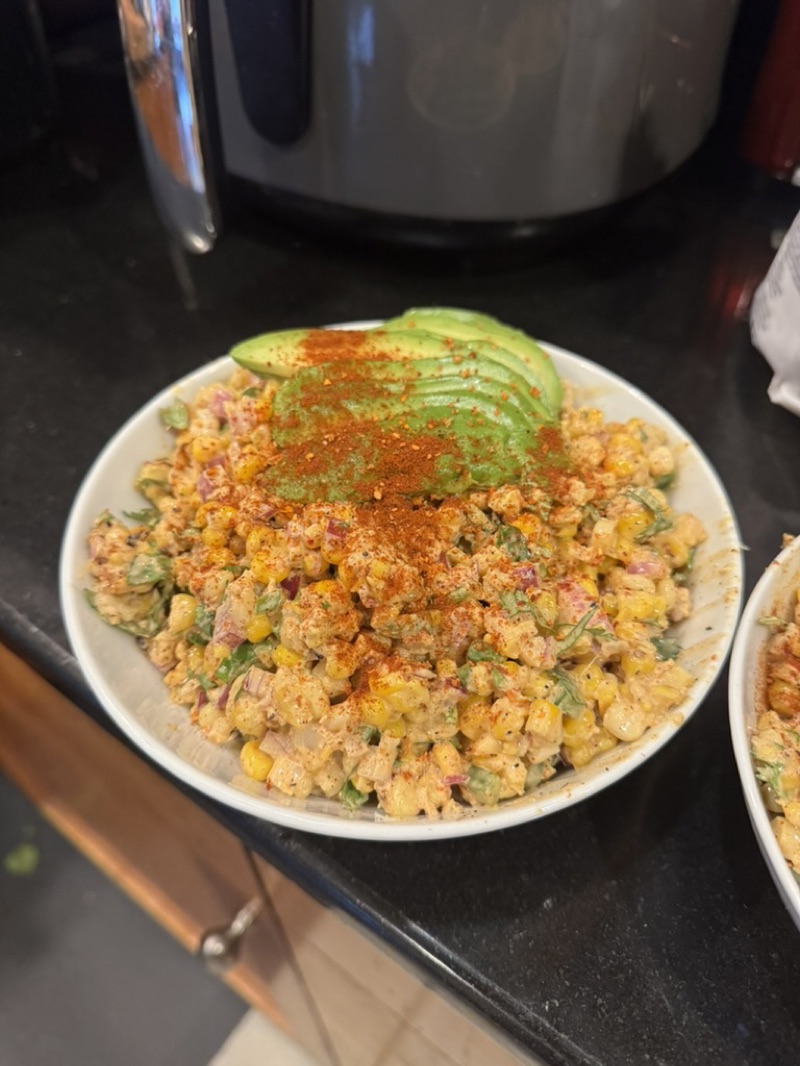
The work is only half the story. I'm happiest in motion — splitboarding into untracked snow, standing on summits I had to earn, wandering cities I can't pronounce. I cook constantly and too much, mostly for the people I love. Family and friends aren't what's left over after the work — they're the reason for it.




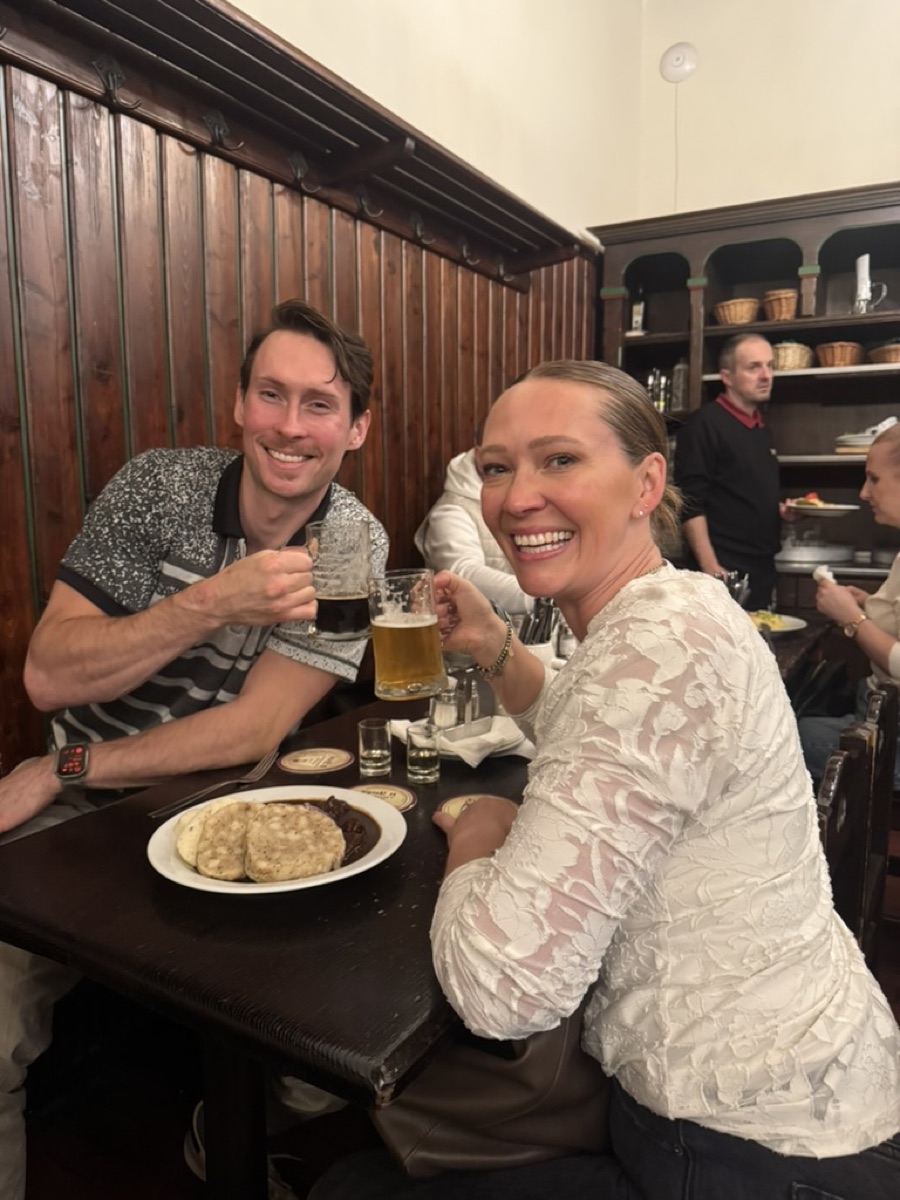
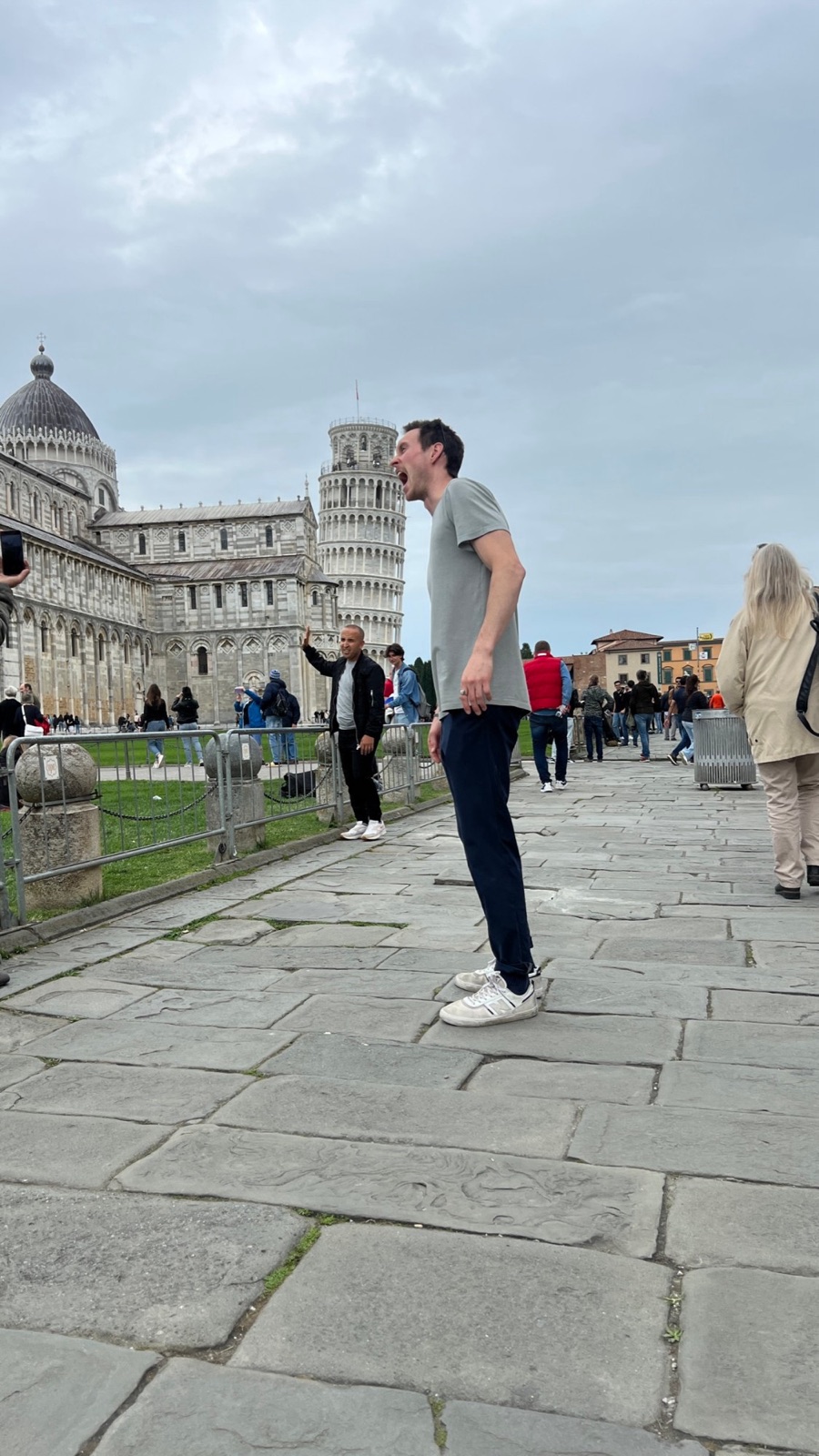
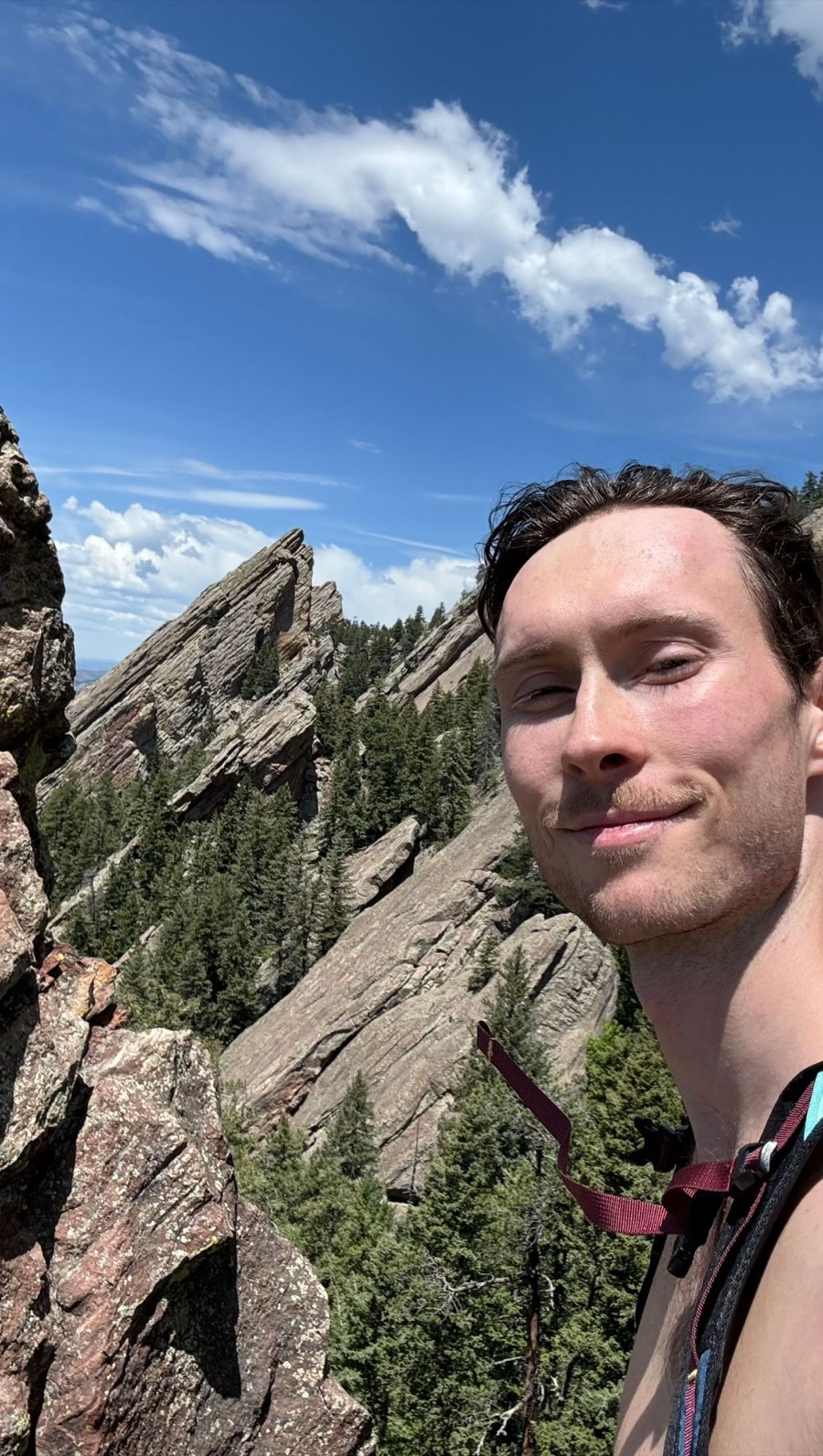
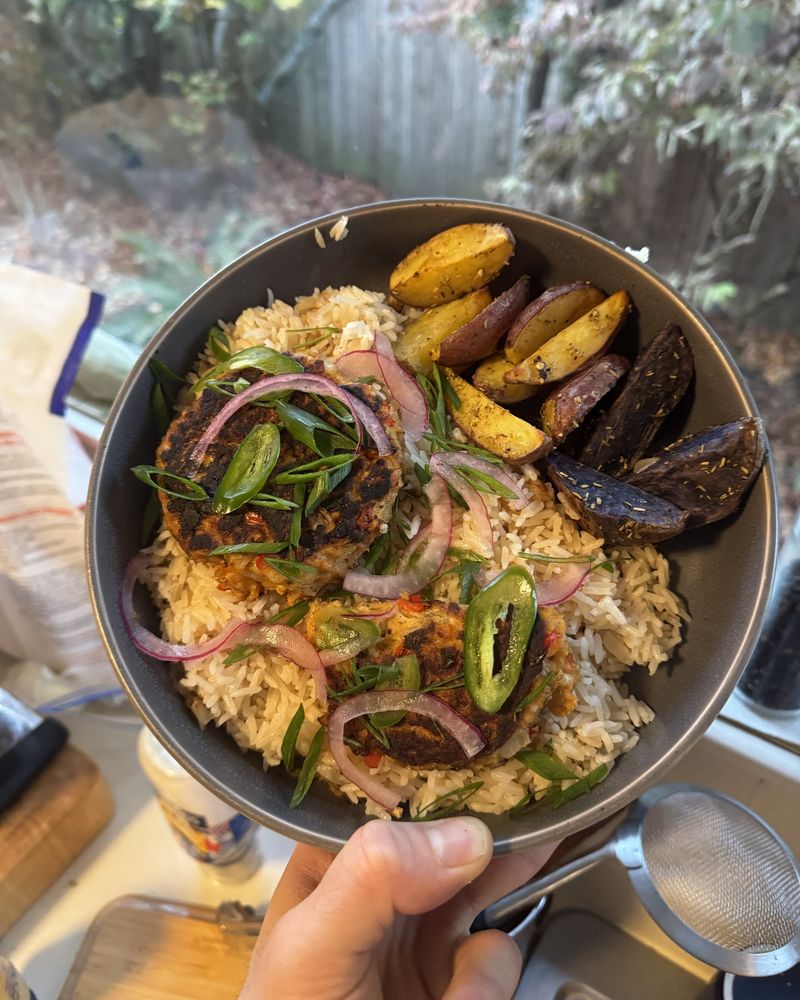







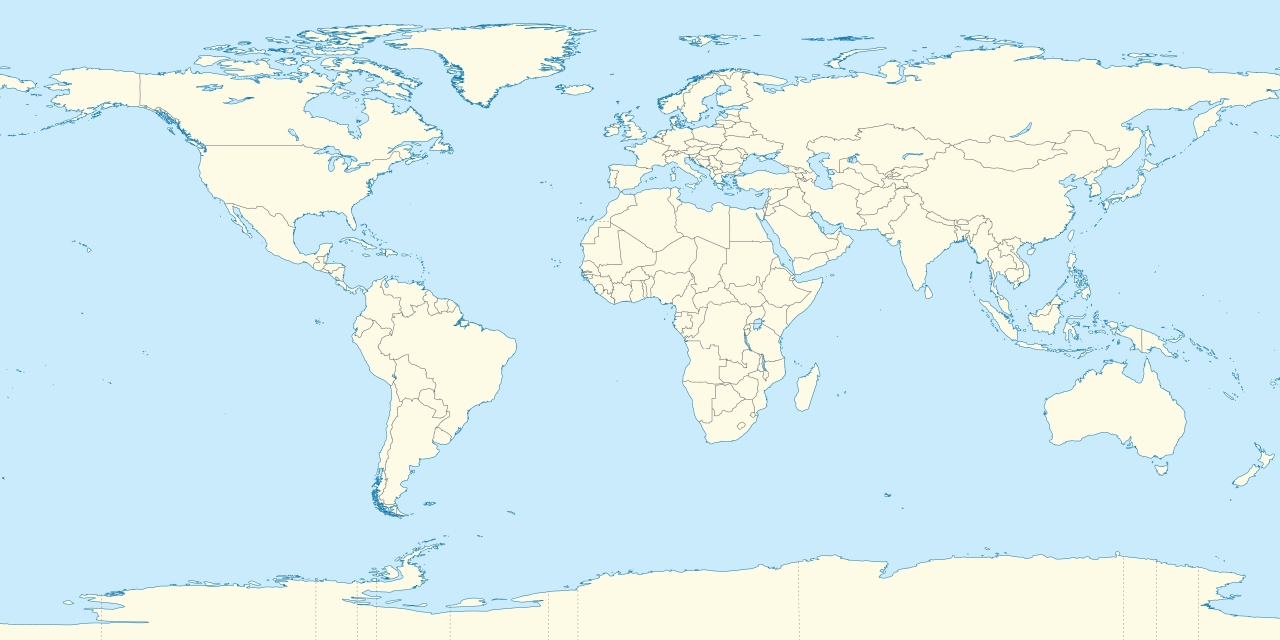
Base map: Tentotwo · CC BY-SA 3.0
Let's build something.
Founders, operators, and small businesses — if you have a messy domain that needs to become a working system, I'd like to hear about it.